 Contact Us
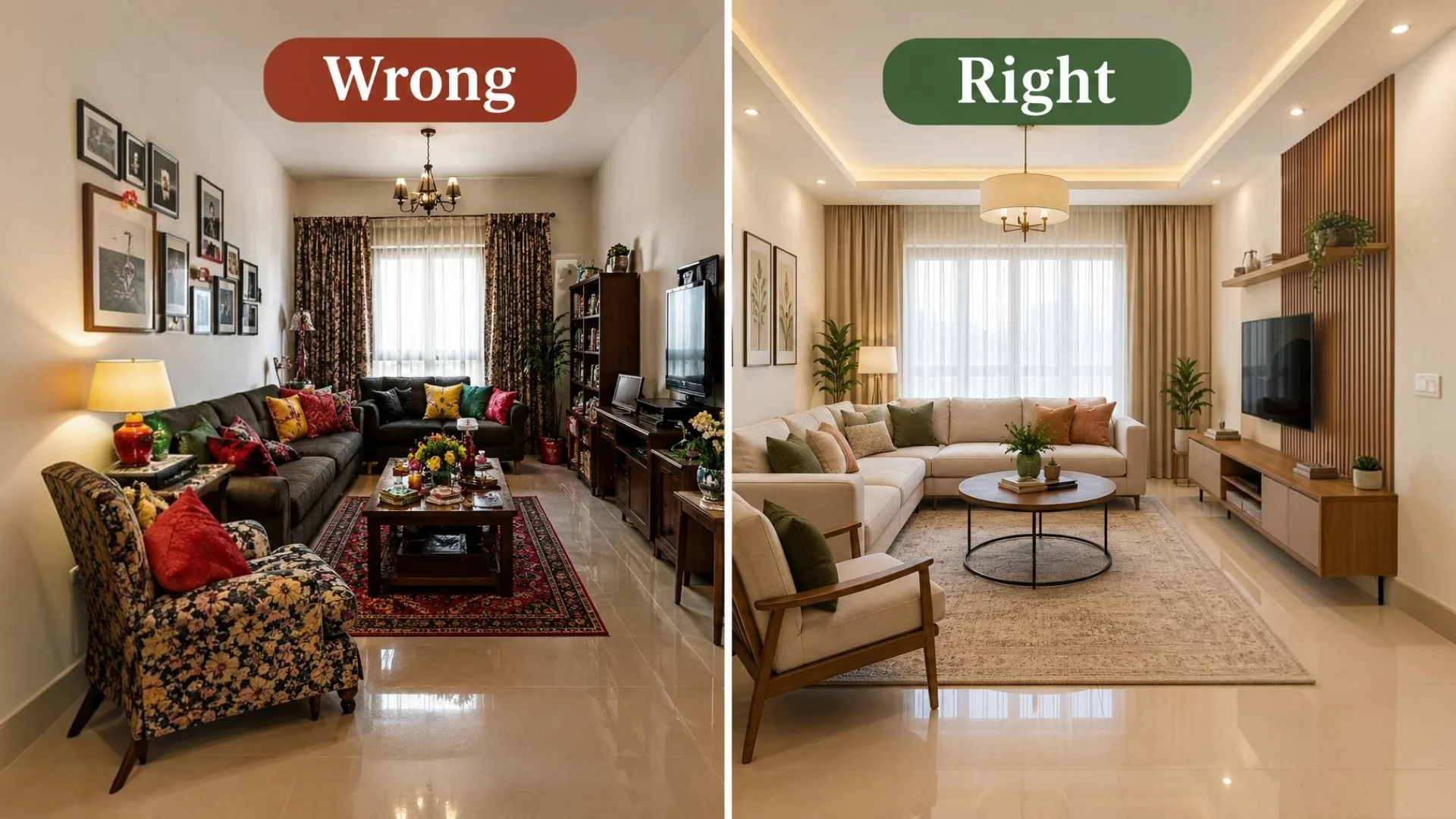
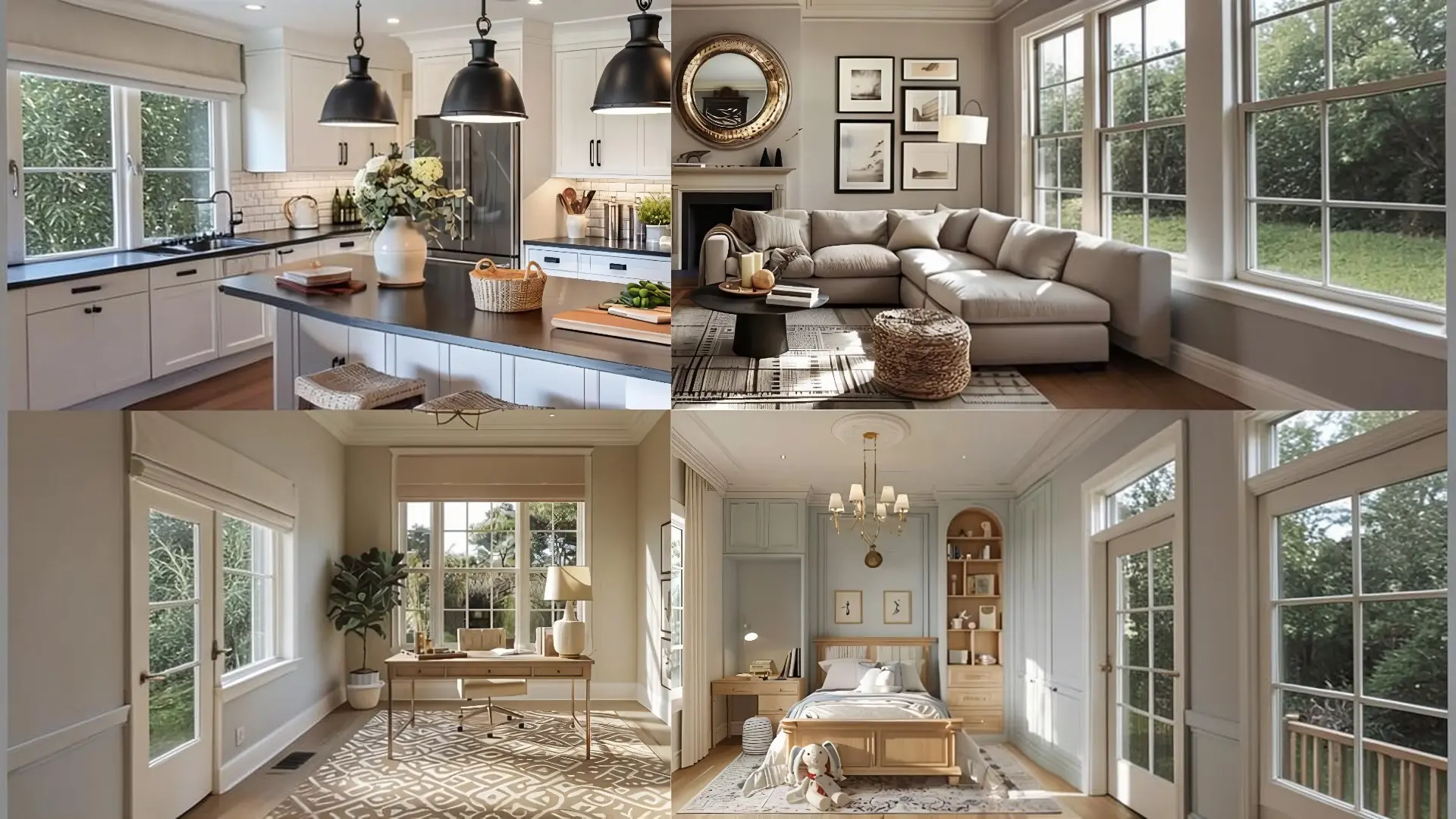
The trend in Pakistani houses is shifting toward investment in furniture, decorations, and comfortable interiors. From stylish couches and coffee tables to lighting fixtures and wall paneling, interior designers have become increasingly interested in the aesthetics of home interior decoration.
Designing an interior is not simply about the latest trends; it involves many other factors that determine the way a particular home should be decorated. These factors include the climate of Pakistan, the lifestyle of families, the culture of Pakistan, and available space. Therefore, picking an interior design style that suits you in terms of taste, money, and practicality without making costly modifications later is crucial.
Whether you are designing a brand new interior or renovating your current living space, knowledge of various interior design styles will come in handy for you. This guide introduces some trendy interior design styles in Pakistan and gives practical advice on how to pick the most suitable one for your home.
People Also Search For: https://gharhub.com/interior-design-trends-pakistan.
Why does choosing a signature interior design style matter?
The interior design style of your house gives a particular look to the house. It determines every decision you make regarding paint, furniture, and light fixtures. In its absence, everything looks messy, and money is wasted.
Here are the advantages of having a particular style:
It helps save money because you purchase compatible products, which means no returns.
It helps save time since you can go shopping faster because you already know your colors and materials.
It makes your small house appear larger since a single look keeps your eyes from moving around.
It works according to your weather. The style that is selected considering the climate of Pakistan will last longer.
It increases the resale value since people pay more for houses that look completed and planned.
It tells your story because your house starts reflecting you.
How Interior Design Trends Have Evolved in Pakistan
Pakistani interiors have moved from heavy and ornate to light and blended. Older homes in Lahore were built with thick walls, courtyards, and carved wood to stay cool and private. Modern homes now favor open layouts and clean lines.
Here is how the look changed over time.
Period | Homes Key features |
2020s to today | Desi fusion, Japandi, modular kitchens, smart lighting, online shopping |
2010s | Open plans, gray and white walls, porcelain tiles, false ceilings |
2000s | Gold trims, chandeliers, heavy curtains, Italian marble |
1970s to 1990s | Sheesham sofa sets, wall-to-wall carpets, display cabinets |
Before 1970s | Jharokas, carved doors, jaali screens, lime plaster, brick floors |
Today the big shift is toward mixing. Families keep a carved Chiniot chest or a Multani tile panel, then pair it with simple modern furniture. Rising costs and smaller plots also push people toward smart, space-saving designs.
Related: https://gharhub.com/top-architecture-building-trends-pakistan-2026
Popular Interior Design Styles in Pakistan
The most popular interior design styles in Pakistan are modern contemporary, minimalist, traditional Mughal, classic luxury, Islamic and Moroccan, desi fusion, Scandinavian, Japandi, industrial, bohemian, rustic, and transitional. Each one suits a different home, budget, and family. Let us look at them one by one.
Modern Contemporary
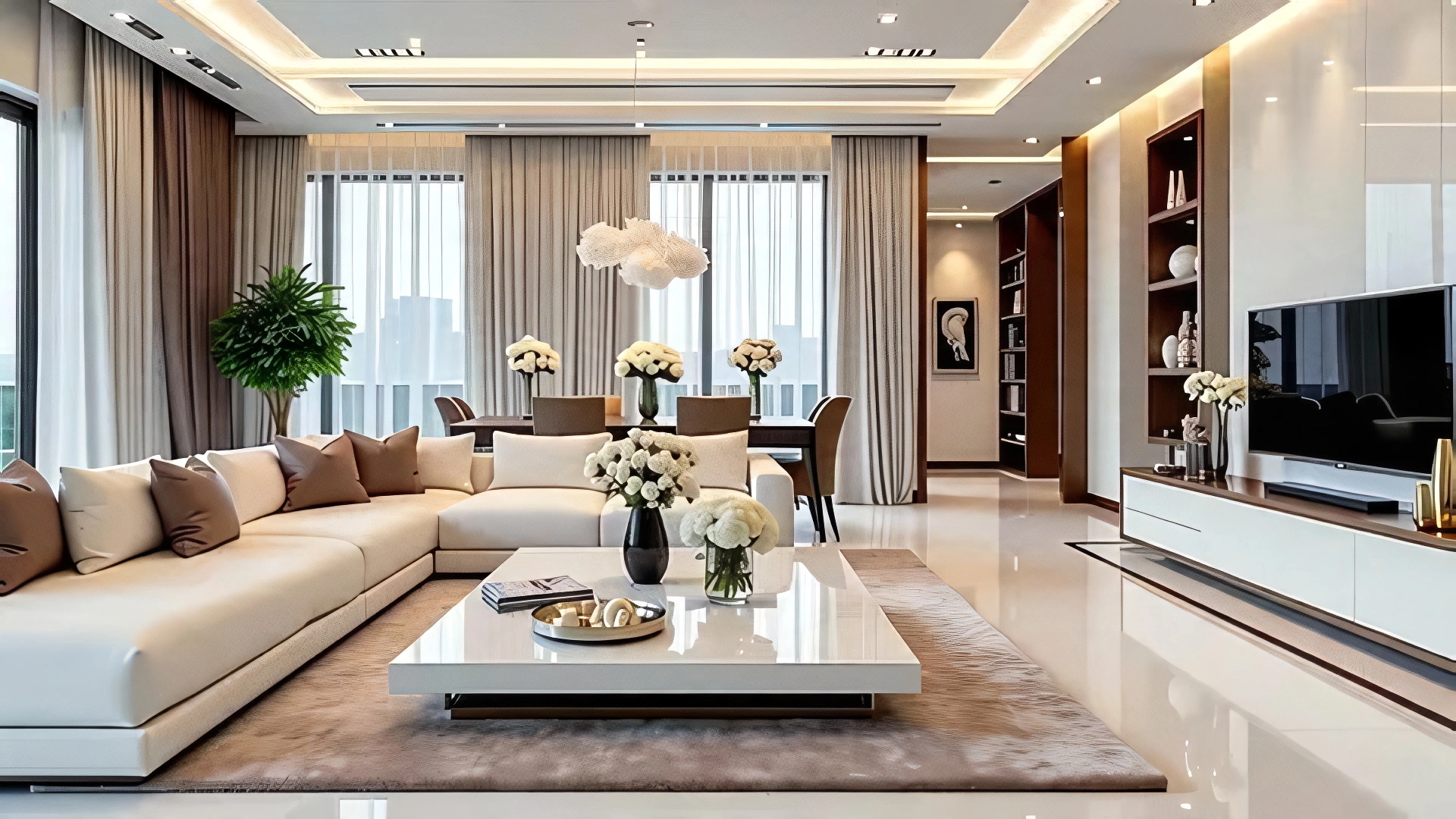
Modern contemporary is the most common style in new Pakistani homes. It uses clean lines, flat surfaces, and neutral colors like white, gray, and beige. You will see sleek sofas, glossy kitchen cabinets, and false ceilings with hidden lights.
Best for: young families, new builds, open-plan lounges.
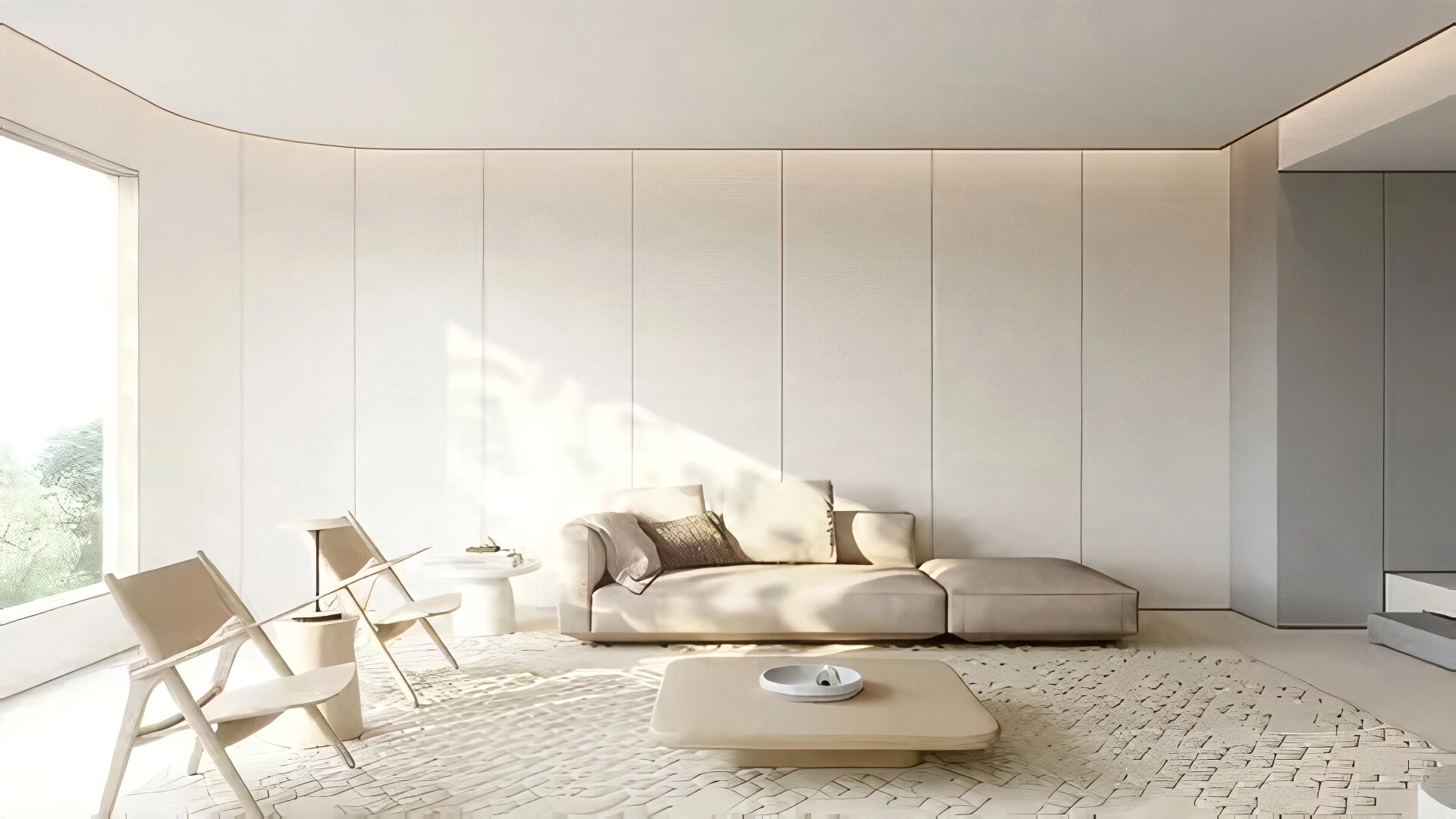
Minimalist
Minimalism follows one rule: less is more. Every item must be useful or truly loved.
White or soft neutral walls
Very few decor pieces
Hidden storage and built-in wardrobes
Open floors with lots of space
Traditional Pakistani and Mughal-Inspired
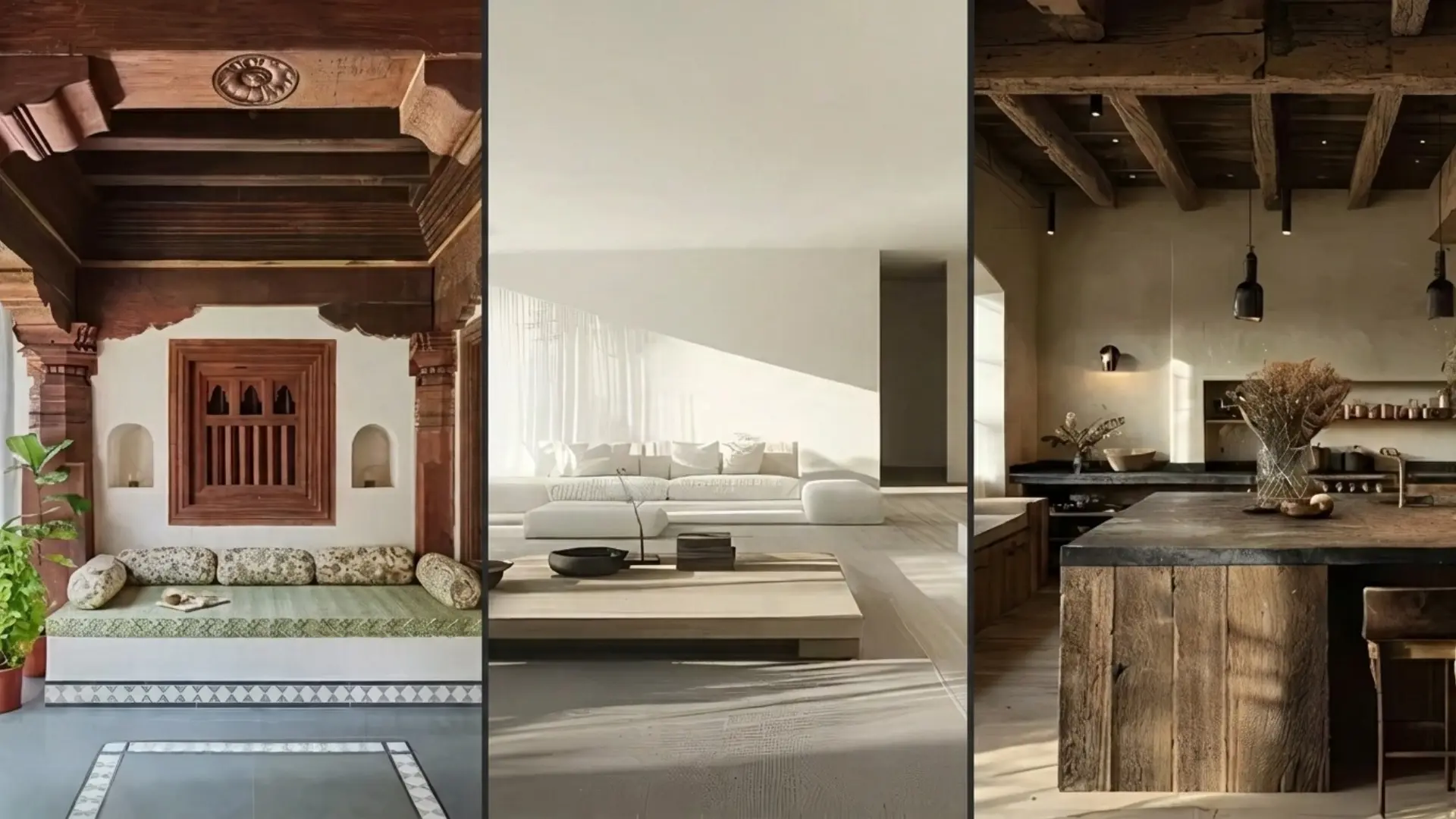
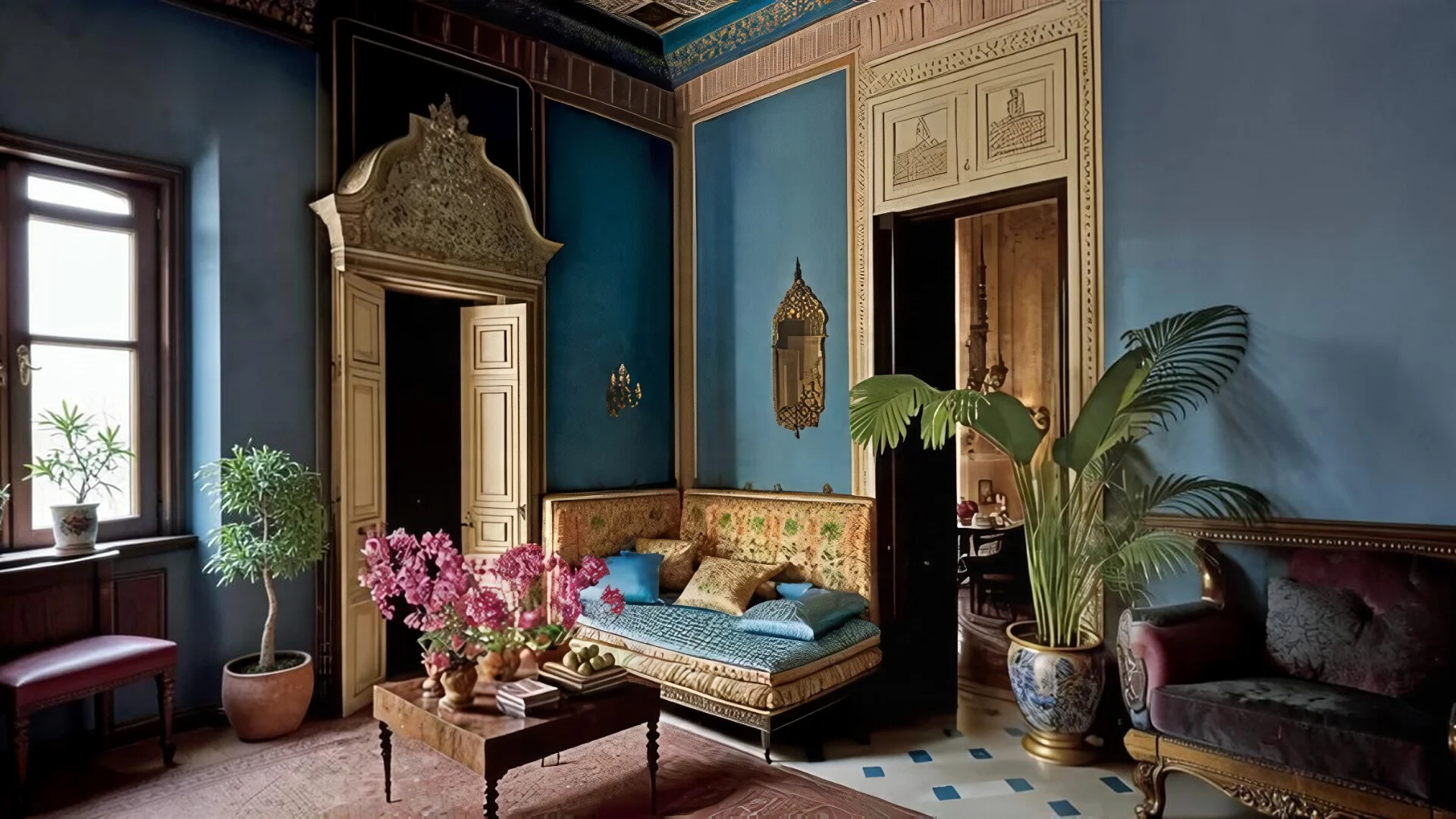
This style brings royal Mughal history into the home. Think carved wooden doors, arches, jaali screens, and rich colors like maroon, emerald, and gold. Furniture is often heavy sheesham with fine Chiniot carving. Floors may have marble inlay or patterned tiles. It feels warm, grand, and proudly local.
Best for: large kothis, formal drawing rooms, families who love heritage.
European Classical
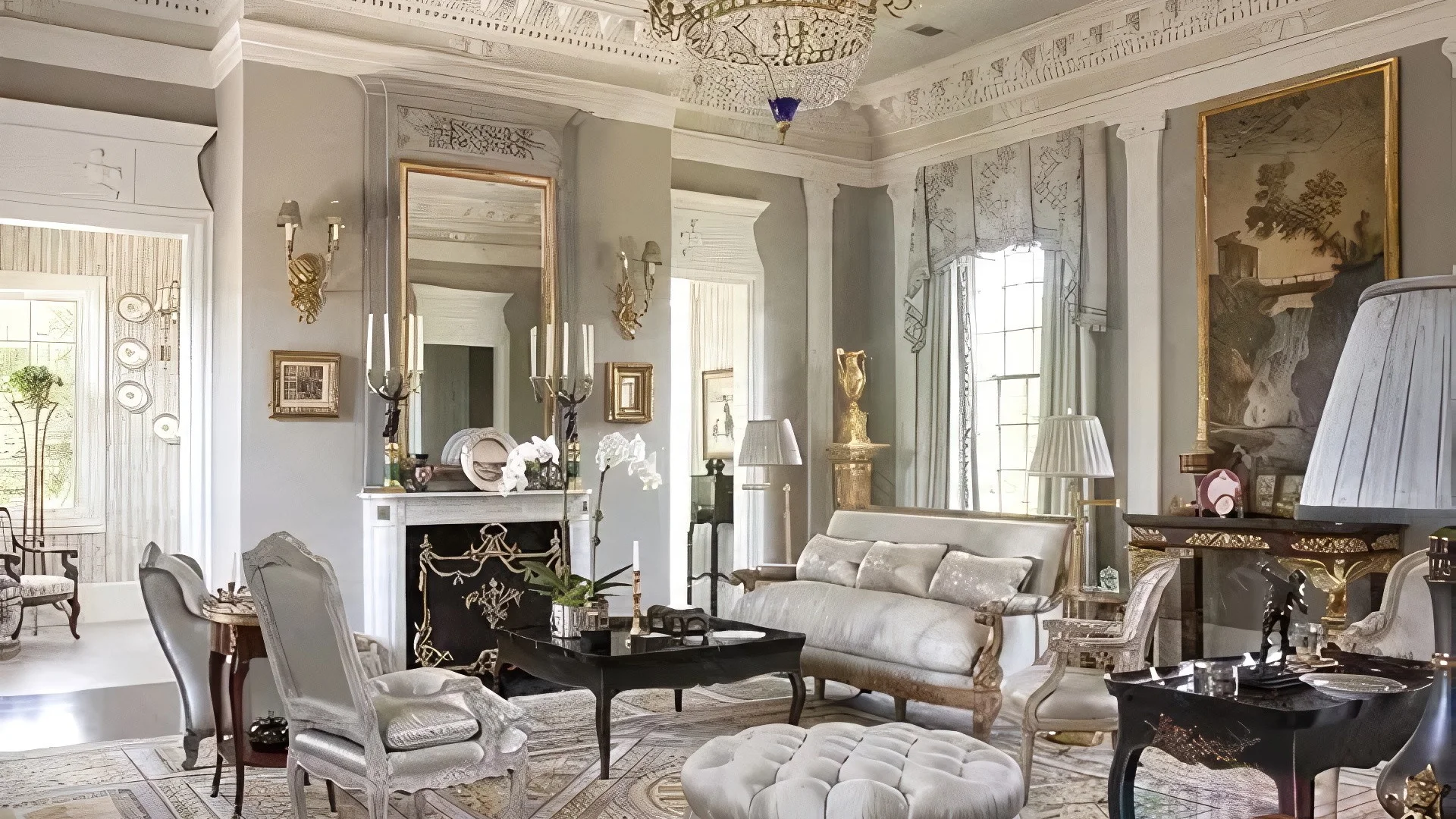
Classic luxury borrows from French and Italian palaces.
Key features include:
Crystal chandeliers
Gold or brass trims on furniture
Tufted sofas and wingback chairs
Italian or Ziarat white marble floors
Ceiling moldings and wall paneling
Islamic and Moroccan-Inspired
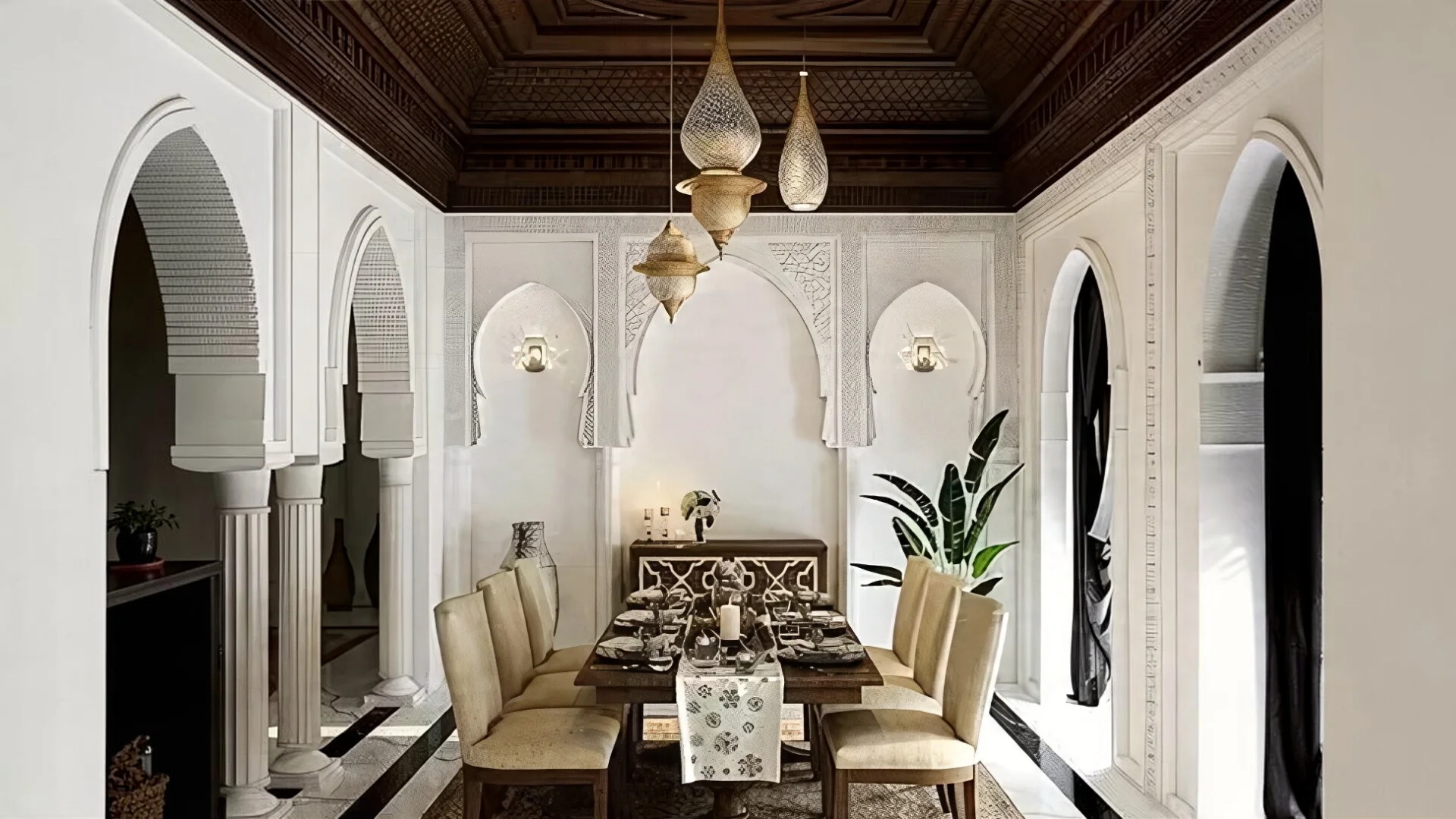
This style is all about pattern and light. Geometric tiles, pointed arches, brass lanterns, and carved wood screens fill the space. Colors are deep blues, teals, terracotta, and gold. Low seating with floor cushions creates a cozy majlis feel. It pairs naturally with Pakistani culture and suits prayer rooms, lounges, and courtyards.
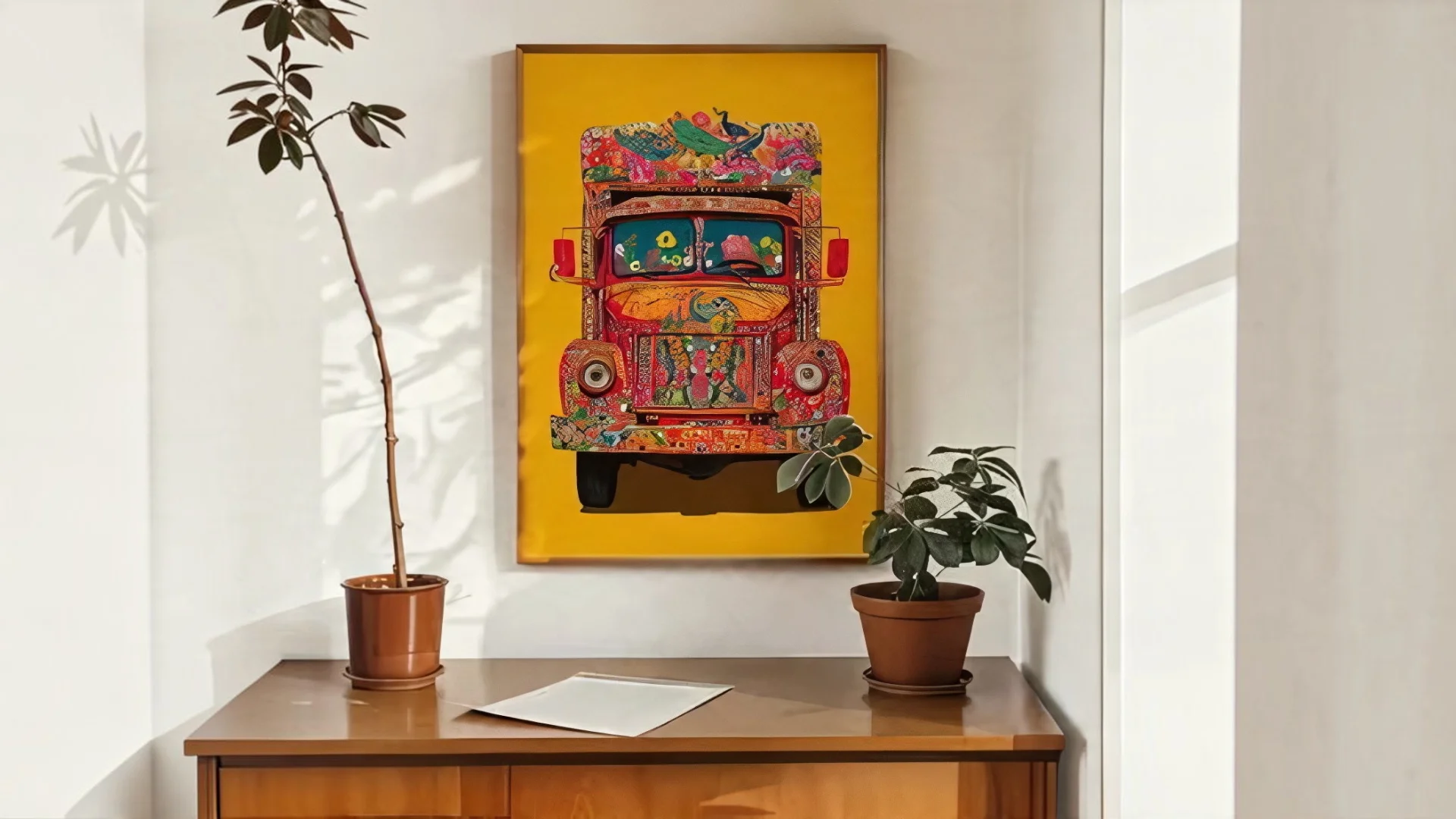
Desi Fusion and Truck Art Accents
Desi fusion mixes modern basics with bold local art. Picture a plain gray sofa with truck art cushions, a Sindhi ajrak throw, and a hand-painted wooden trunk as a coffee table. It is fun, colorful, and budget-friendly.
Best for: young couples, creative homes, rented flats.
Japandi
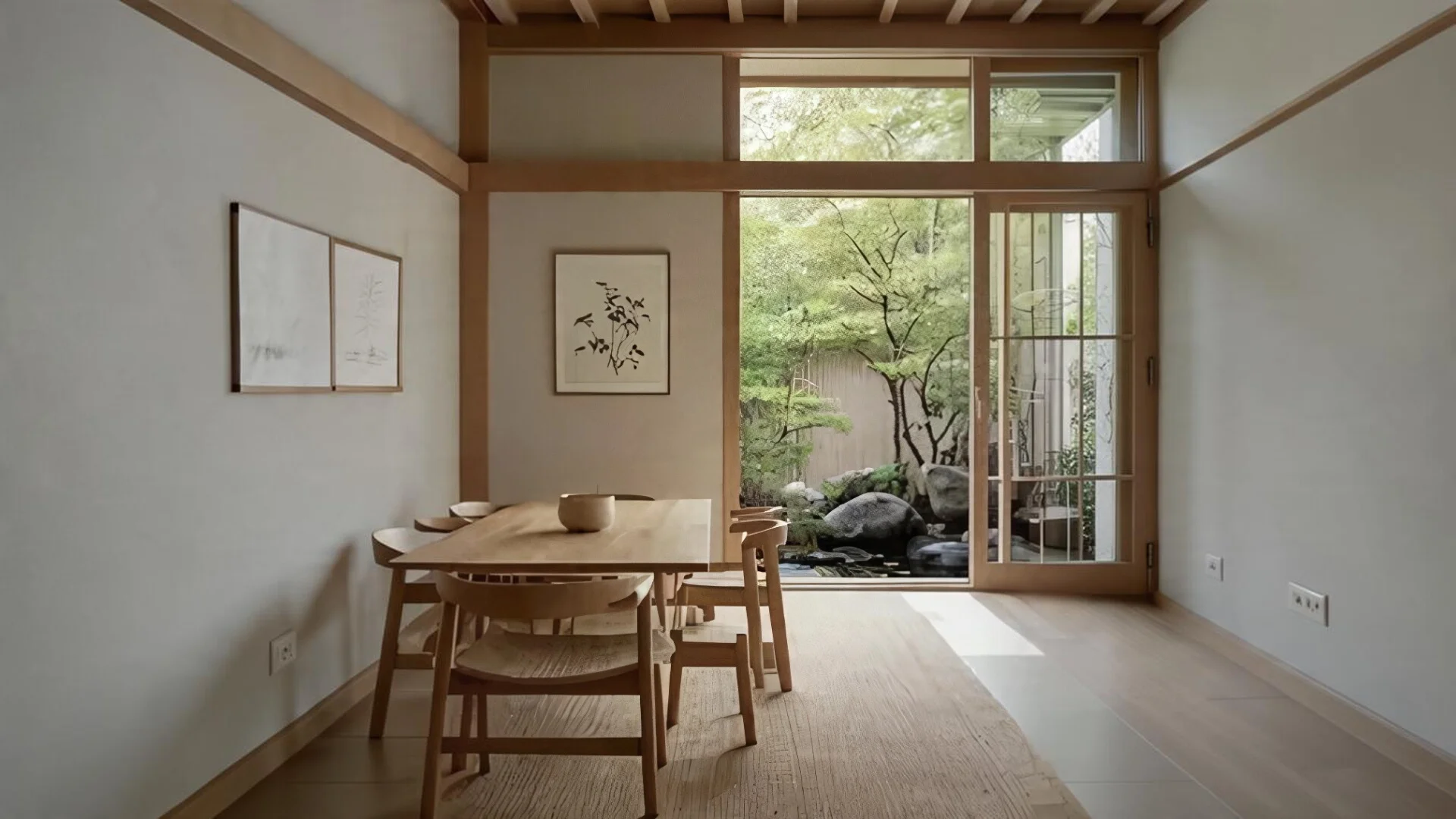
Japandi blends Japanese calm with Scandinavian comfort. Furniture sits low to the ground. Colors are earthy, like sand, clay, olive, and charcoal. Natural materials such as bamboo, linen, and stone are key. It is one of the fastest-growing styles among young Pakistani homeowners who want a peaceful home.
Industrial
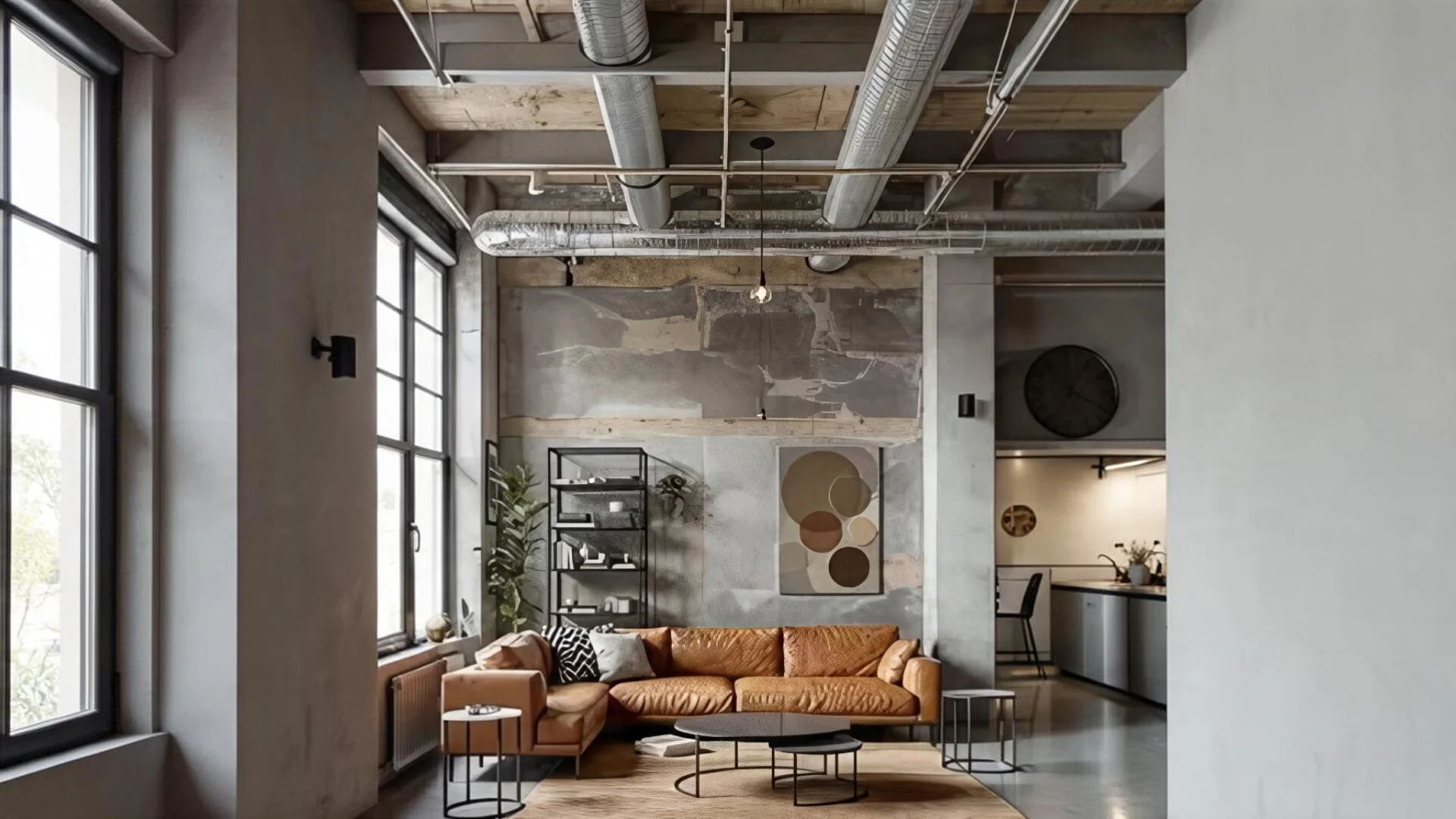
Industrial style looks like a converted factory. It shows off raw materials.
Exposed brick walls
Black metal frames and shelves
Concrete or cement finish floors
Edison bulbs and pendant lights
It works well in cafes, home offices, and modern apartments. Add rugs and plants so it does not feel too cold.
Related: https://gharhub.com/shop/lights
Bohemian
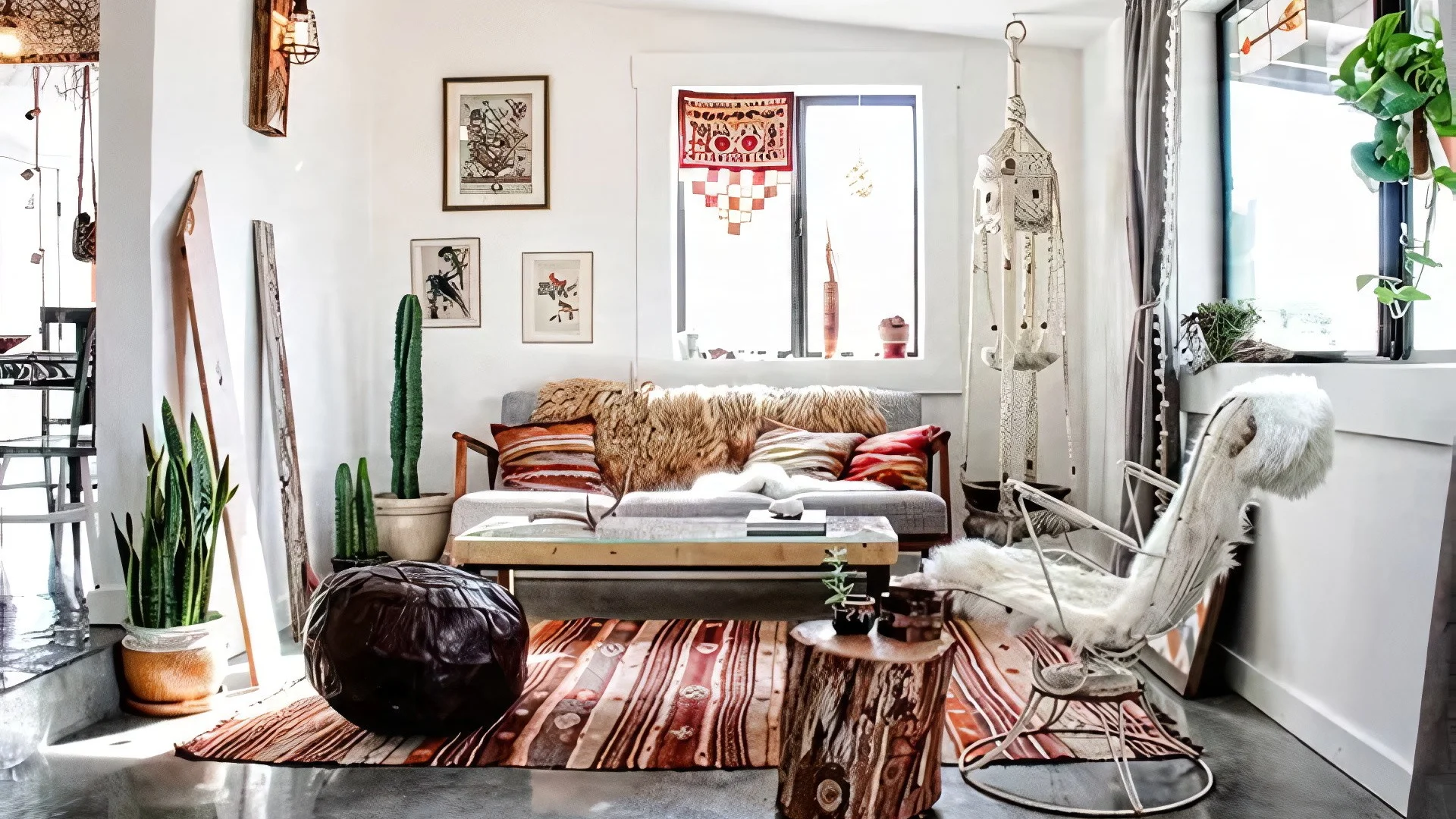
Bohemian, or boho, is relaxed and full of life. It mixes patterns, colors, and textures from around the world. Think rattan chairs, jute rugs, macrame, floor cushions, and lots of plants. Pakistani handicrafts like Sindhi mirror work and Balochi embroidery fit right in.
Rustic
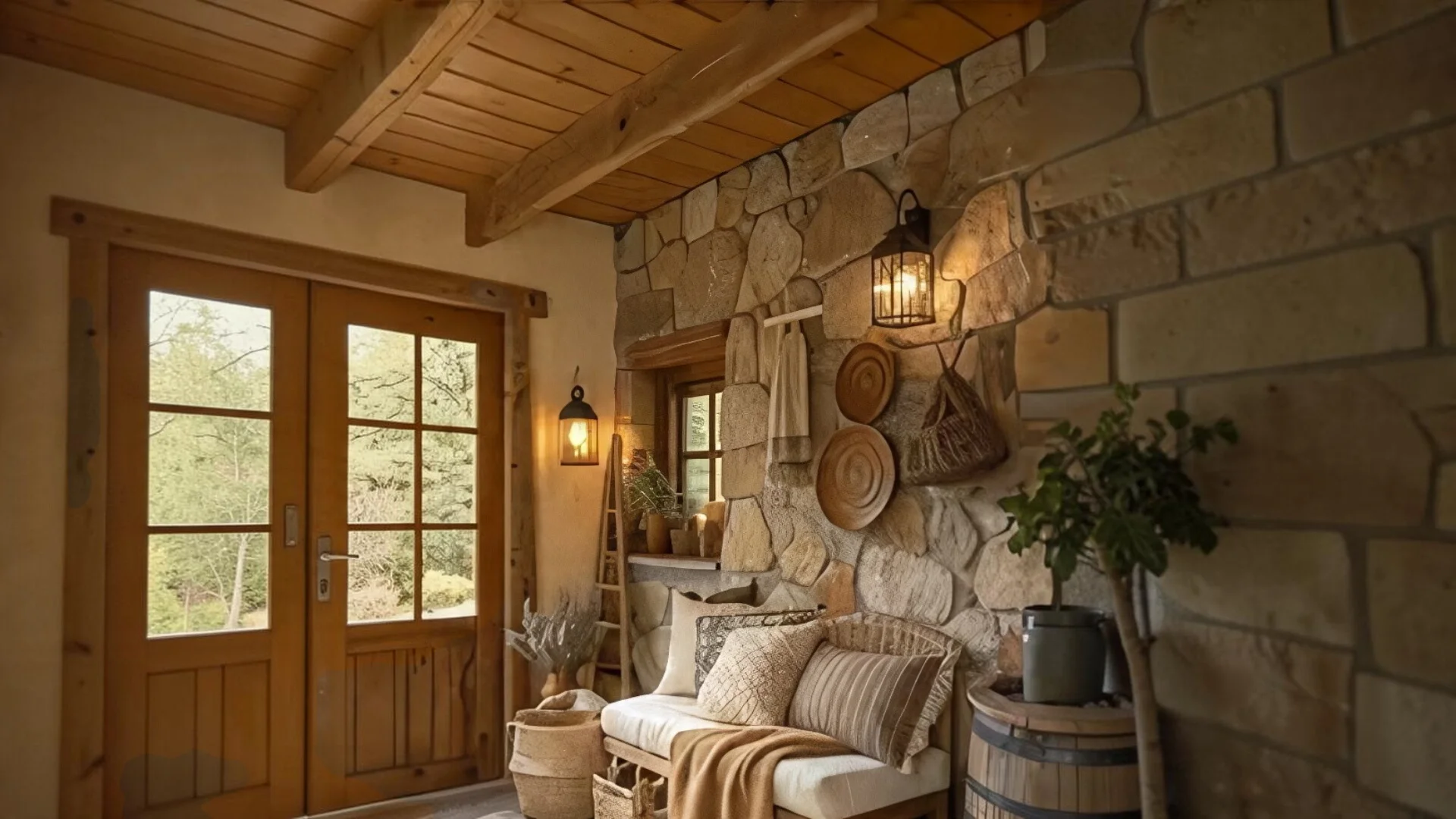
Rustic style feels close to nature. It uses rough wood beams, stone walls, clay pots, and warm earthy tones. It suits farmhouses, hill homes, and anyone who loves a village feel. Handmade furniture and terracotta floors complete the look.
Key Elements That Define Each Style
Six elements decide how a style looks: color, furniture, flooring, lighting, textiles, and decor accents. Get these right and any room will match its style.
Color Palettes
Color is the fastest way to set a style. Modern and minimalist homes use whites and grays. Mughal and Moroccan homes use deep jewel tones. Japandi and rustic homes use earthy browns and greens. In hot cities, lighter walls reflect heat and keep rooms feeling cooler.
Furniture and Woodwork
Furniture carries the style more than anything else. Pakistan has three main choices:
Sheesham wood: strong, termite-resistant, and long-lasting. Perfect for traditional, rustic, and transitional homes.
Chiniot craft: hand-carved furniture from Chiniot, famous for fine detail. Best for Mughal and classic luxury rooms.
Modular furniture: made from MDF, laminate, or board. Light, affordable, and space-saving. Ideal for modern, minimalist, and apartment living.
According to Statista, Pakistan’s living room furniture market was valued at approximately €149 million in 2025, reflecting the growing demand for stylish and functional home furnishings.
Flooring
You can choose your flooring according to this:
Flooring | Best styles | Why it works in Pakistan |
Classic luxury, Mughal, modern | Stays cool in summer; local stone is easy to find | |
Porcelain tiles | Modern, minimalist, transitional | Low cost, easy to clean, resists stains |
Wood or laminate | Scandinavian, Japandi, rustic | Warm look, best in bedrooms and cooler cities |
Terrazzo | Desi fusion, industrial, retro | Very durable, hides dust, classic in older homes |
Lighting and Fixtures
Pick fixtures that match your style. Chandeliers suit classic homes. Warm white LEDs save power during load-shedding backups. Lighting changes the mood of every style.
Follow this simple plan:
Ambient light for the whole room, such as ceiling lights or cove lights.
Task light for work, like reading lamps and kitchen strip lights.
Accent light to show off art, arches, or textured walls.
Textiles, Rugs, and Soft Furnishings
Fabrics add comfort and color. Cotton and linen keep rooms cool in summer. Velvet and wool add warmth in winter. Jute and flat weave rugs suit boho and Japandi rooms. Swap cushion covers each season for an easy refresh.
Decor Accents
Local crafts give any style a Pakistani soul. Try these:
Multani blue tiles on a feature wall or kitchen backsplash
Blue pottery vases and plates from Multan
Onyx lamps and bowls from Balochistan
Brass trays, planters and candle stands
Jharokas as wall frames, mirrors or window details
How to Choose the Right Interior Design Style
To choose the right interior design style, match it to your climate, home size, family, lifestyle, and budget. Then add your personal taste on top.
Here are the factors that matter most.
Climate and Seasonal Factors: The climate of Pakistan makes life difficult in homes. Choose light colors, marble and tile floors, and breathable fabrics for hot cities. Avoid open shelves in dusty cities.
Type of Home and its Size: Size makes a difference. Choose minimalistic, Scandinavian, or Japandi styles for a 5 marla home or two-bedroom apartment. A 1 kanal kothi allows space for Mughal or classic luxury style. Modern contemporary and transitional styles suit townhouses well.
Size of Family and Joint Family: A lot of families in Pakistan consist of three generations. A transitional or desi fusion style satisfies everyone.
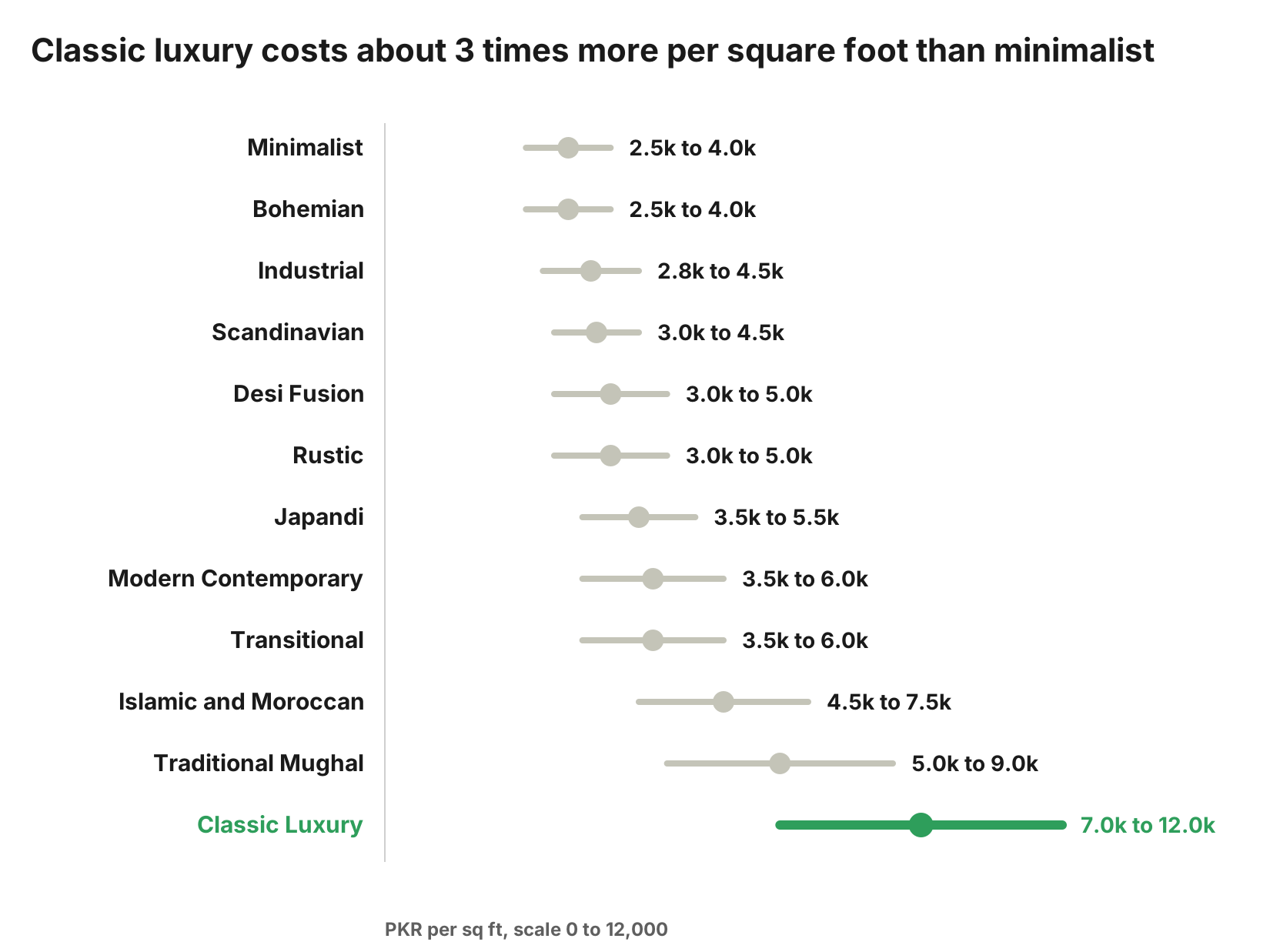
Budget: Your budget will decide how much you can spend. Minimalist, boho, and desi fusion are the most affordable styles. Classic luxury and Mughal styles are the most expensive due to carving, marble, and customization.
Availability of Local Materials: Local materials have lower costs and are more easily repaired than imported goods. Pakistan abounds with various types of marble, onyx, sheesham, terracotta, and hand-made tiles. The use of Italian marble and European fittings increases the cost of construction.
Effort Required for Maintenance & Cleaning: Some types require higher maintenance effort. Decorative carvings, chandeliers, and velvet furnishings tend to get dirty rapidly. Minimalist and modern designs require the least cleaning effort.
Value and Marketability in the Long Run: Neutral designs enjoy greater acceptance and sales. Modern, contemporary, and transitional designs attract all types of buyers.
Interior Design Costs in Pakistan
Interior design in Pakistan usually costs PKR 2,500 to 12,000 per square foot in 2026, depending on style, materials, and finish. For context, finishing work in Lahore alone runs PKR 2,500 to 5,500 per square foot this year.
Factors That Affect Interior Design Cost
Space size: Bigger space leads to increased use of materials and labor.
Design style: Design styles such as carved, gold-edged, and marble-based designs are expensive.
Building materials: Sheesham local wood is cheaper than imported marble and fixtures.
Custom-made work: Customized items, including built-in wardrobes, false ceilings, and other custom-made products, increase the expense.
Designer fees: Most designers demand fixed costs for designing or even a percentage of the entire project’s cost.
Location: Charges in big cities like DHA and Gulberg are higher than charges in small cities.
Inflation: Imported building materials such as steel and cement change prices frequently.
Budget Tiers (Economy, Mid-Range, Premium)
The chart below shows where each style usually falls.
Tip: Keep 10 to 15% of your budget aside for surprises.
Common Interior Design Mistakes to Avoid
The most common interior design mistakes are ignoring climate, overcrowding rooms, following trends blindly, poor lighting, and mixing clashing materials. Each one costs money to fix later.
Ignoring Climate and Natural Light
Overcrowding Spaces
Choosing Trends Over Function
Poor Lighting Planning
Mismatched Materials and Colors
Related: https://gharhub.com/interior-design-mistakes-pakistani-homes
Conclusion
The correct interior design style will transform your house into a home that suits you. Pakistan provides a plethora of options to choose from. Contemporary and minimalist styles dominate the new builds. Mughal, Islamic, and luxury styles provide opulence to large kothis. Desi fusion, Japandi, and Scandinavian styles provide an affordable option.
Before choosing the right style, consider factors such as climate, size of your home, family, lifestyle, and budget. Use local materials such as sheesham wood, marble, and Multani tiles. Plan for the lighting scheme and maintain room to breathe.
Frequently Asked Questions (FAQs)
What is the most preferred interior design style in Pakistan?
The most preferred interior design style in Pakistan is modern contemporary. Many families incorporate it with some traditional elements like wood carvings or Multani tiles.
What is the most suitable interior style for small apartments?
The minimalist, Scandinavian, and Japandi styles are the most suitable interior designs for small apartments since they utilize light colors, simple furniture, and concealed storage.
What is the difference between modern and contemporary design?
Modern design refers to a design style that was prevalent in the mid-20th century, while contemporary design refers to current design styles.
What interior style works best in hot conditions of Pakistan?
The styles of minimalist, modern, and Moroccan work best in hot climatic conditions due to their light walls, cool marble or tile flooring, and breathable fabrics.
Can traditional and modern interior styles be blended?
They can be combined, and this blend creates the latest trend in Pakistan. This combination is also termed transitional or desi fusion. The interior design should have a modern base of neutral walls and simple furniture, along with traditional items like a Chiniot chest, Jharoka mirror, or blue pottery.
What colors look great in Pakistani houses?
White, beige, creams, and light gray look best in the majority of homes in Pakistan. They reflect heat and also add to the spaciousness of rooms.