 Contact Us
What if the largest portion of your building is the one that never crosses your mind? The aggregates in concrete account for about 60 to 75 percent of the concrete by volume. The vast majority of them is bajri. If your bajri is poor quality and/or polluted, your roof, beams, and columns will suffer.
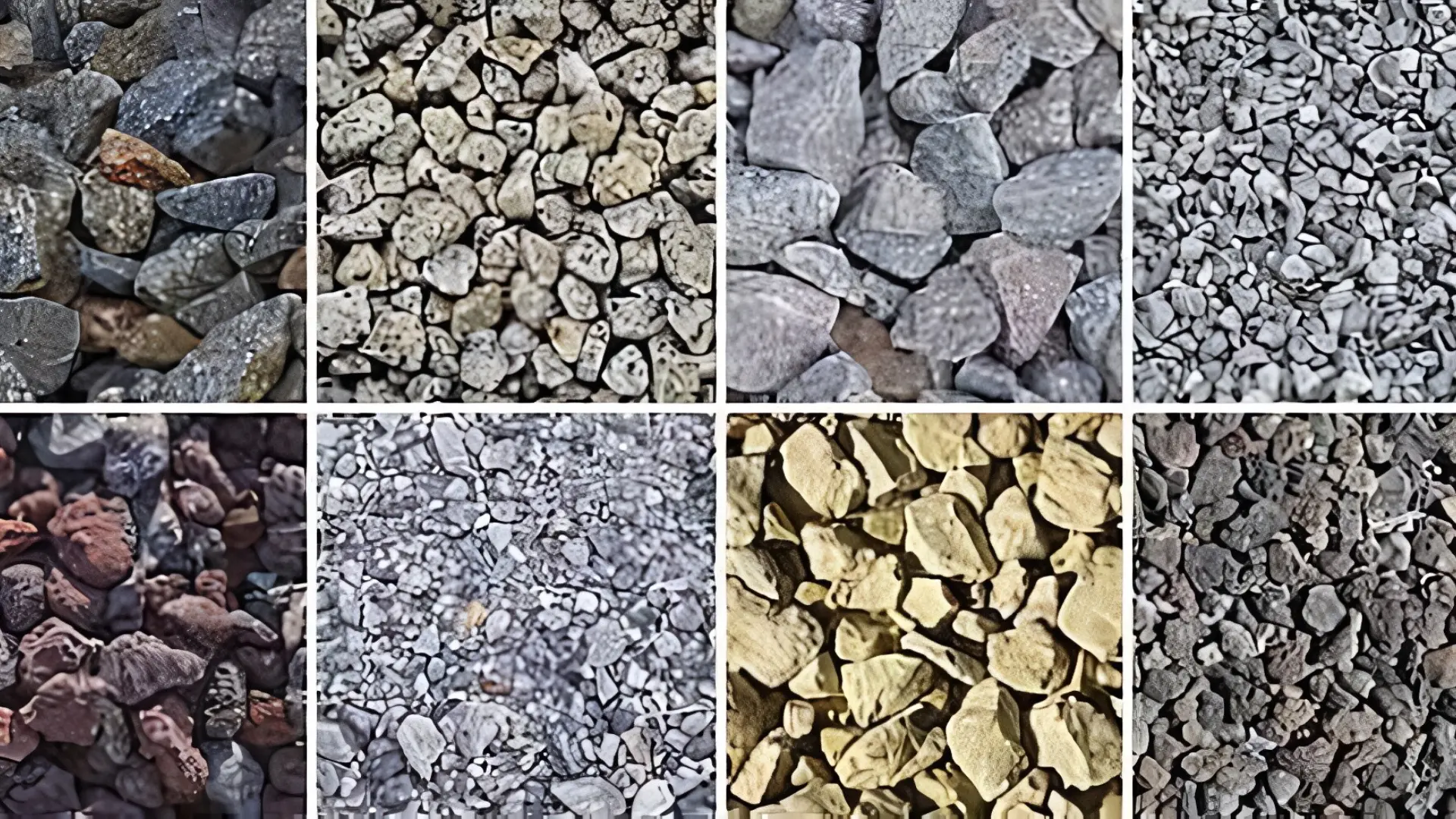
Bajri is the stone pile seen at every construction project. It is also known as coarse aggregate or as crush, rori, or gravel. All these terms have something in common, but they are not the same. Crush is rock shattered with the help of a machine; therefore, its surfaces are jagged. Rori is a rounded river rock and, thus, smooth. Gravel is a common term for both.
Bajri keeps becoming increasingly important. The construction industry in Pakistan saw 5.73 % growth in FY2026. This means more structures, which means more possibility of buying bad stone. Good stone means better concrete quality while reducing additional cement usage. It gives concrete its body and much of its strength.
Related: https://gharhub.com/bajri-price-in-pakistan
What Is Bajri?
Bajri is coarse aggregate. That means stone pieces larger than 4.75 mm. Anything smaller counts as sand. Bajri can come from crushed hill rock or from river beds.
How Bajri Is Produced
Most crushed bajri in Pakistan comes from hill quarries. Margalla and Sargodha stone has been used in concrete since the 1960s.
Here is how a big rock becomes bajri:
Quarrying: Workers blast or dig large rocks out of the hill.
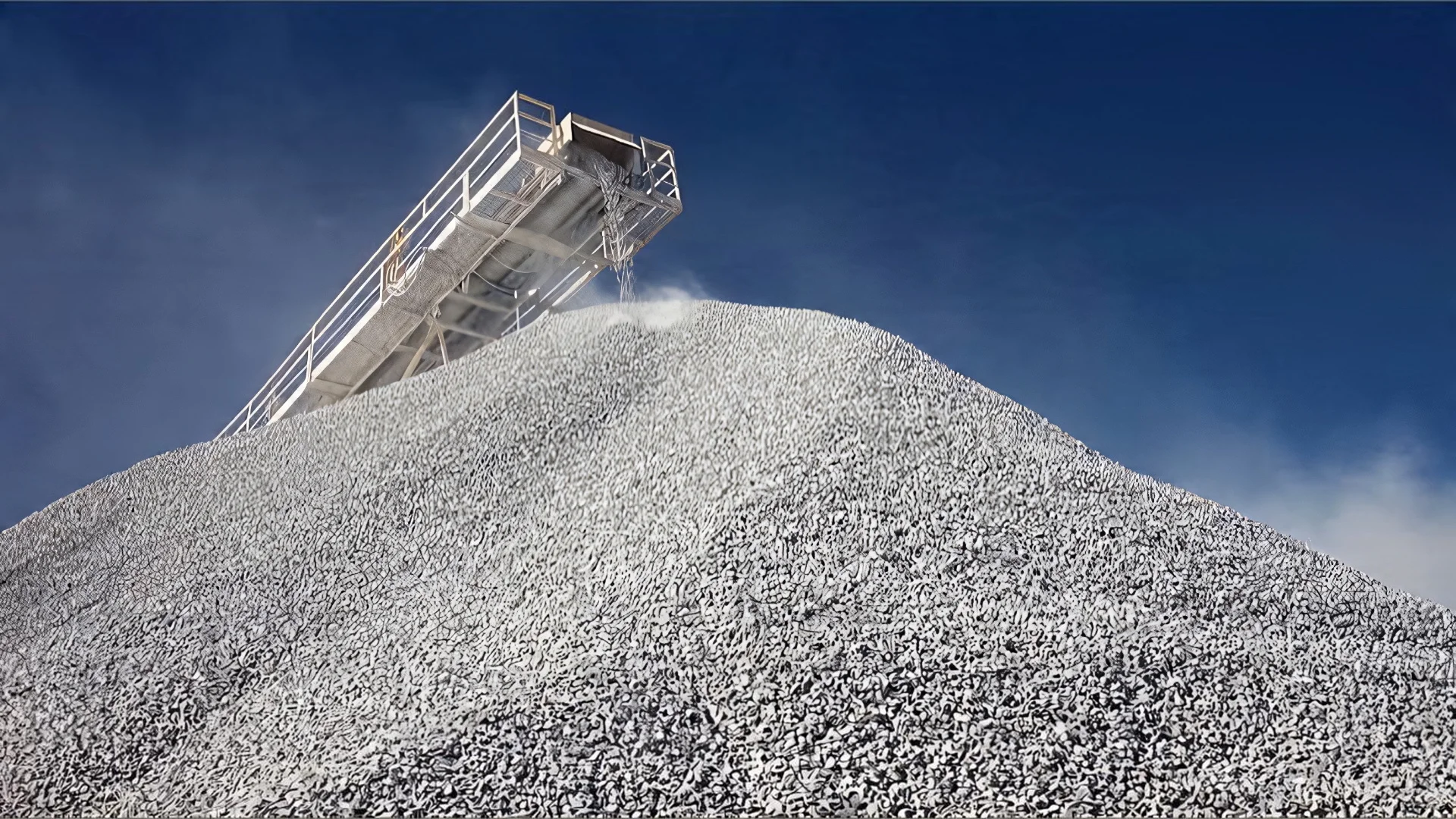
Crushing: Heavy machines break the rocks into smaller pieces.
Screening: Shaking sieves sort the pieces by size.
Washing: Water removes dust, silt, and clay from the stones.
Stockpiling: Clean bajri is stored in piles by size, ready for trucks.
The Role of Bajri Inside Concrete
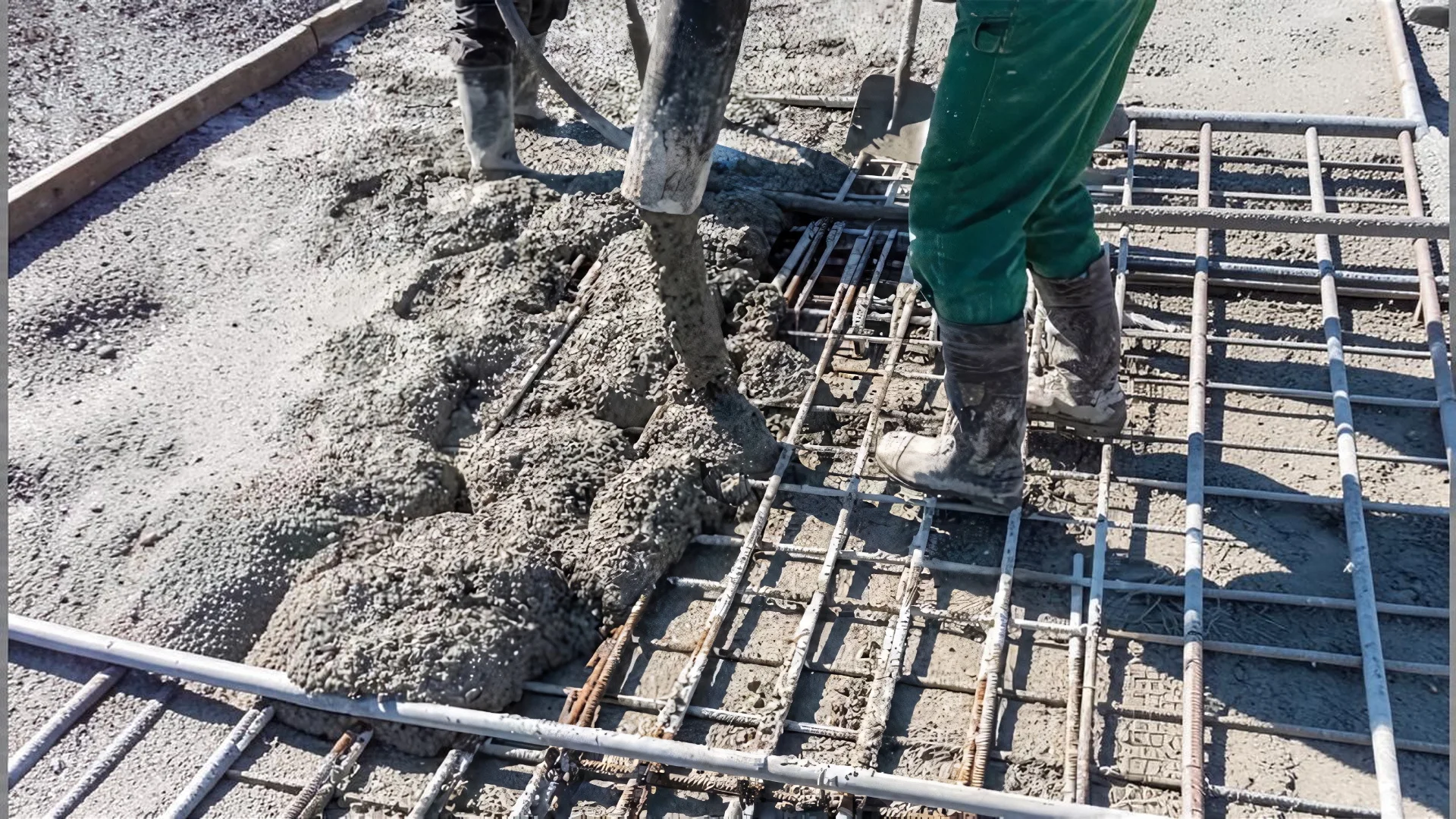
Think of concrete like a brick wall. Bajri is the bricks. Cement paste is the mortar. Sand fills the small gaps between the bricks.
The cement paste coats every stone and glues them together. When the paste hardens, all the stones lock into one solid block. That is why aggregates take up most of the space in concrete. The stones do the heavy lifting, and the cement holds them in place.
Why Bajri Is Important in Construction
Bajri is an essential ingredient of concrete. Without it, the concrete will be weak and expensive and will break soon. This is how Bajri performs four crucial functions.
Strength and Load-Bearing Capacity
The loads are carried by Bajri. While the weight of the roof puts pressure, the stones in the concrete structure absorb the pressure. The stones interlock to create a strong base. Different stones have different effects.
Volume Occupancy and Cost-effectiveness
Concrete has a high cost in terms of cement, while bajri has a low cost. Bajri occupies one cubic foot of volume in concrete, which means that there is no need to use cement for this volume. Thus, cement costs about ten times more than bajri.
Durability and Low Shrinkage
The drying of cement paste involves shrinkage. Stones don't undergo shrinkage. Bajri acts like bones that hold the concrete shape, and low shrinkage leads to reduced chances of cracking over time.
Water Drainage and Ground Stability
Bajri stones are loose, which creates space between them. The water is channeled through the voids created instead of staying on the soil. That is why bajri is used below floors, surrounding foundations, and inside drainage systems.
Types of Bajri
Bajri can be sorted into three simple types: by shape and source, by size, and by the region it comes from.
Types by Shape and Source
Crushed Stone Bajri (Angular): Produced by crushing hard rock from the hills. The crushed stone has sharp edges and angular faces. It has good adhesion with cement paste and hence is the best type to use in RCC work.
River Gravel/Rodi (Round): Produced from the riverbed and nullahs. River gravel is smooth and rounded and therefore mixes and flows very easily. However, the paste does not stick to smooth stones that much.
Pea Gravel: Small rounded stones, the size of peas. They are used in paths, drainage, and landscaping but not in structural concrete.
Recycled Aggregate: Produced from crushing old concrete structures demolished from buildings. It is used as an alternative to natural aggregates and is suitable for road base and non-structural works.
People Also Search For: https://gharhub.com/shop/crush-bajri-rate-in-pakistan-today
Types by Size
Bajri is sold by size in inches. Each size suits a different job. The right size depends on how thick the concrete is and how close the steel bars sit.
Bajri size | About (mm) | Typical use |
3/8 inch | 10 | Precast blocks, pavers, thin toppings |
1/2 inch | 12 to 13 | Thin slabs, members with closely packed steel |
3/4 inch | 20 | Most RCC work: roof slabs, beams, columns |
1 inch | 25 | Footings and thick foundations |
1.5 inch and larger | 40 and up | Mass concrete, PCC bases, road sub-base |
Popular Regional Varieties in Pakistan
Margalla and Sargodha crush are the standard sources for concrete work in Islamabad and Punjab. River bajri from places like Mangla is used for smaller local jobs.
Variety | Where it comes from | Shape | Water absorption | Best for |
Margalla Hills, Taxila | Angular | 1.32% | Strength critical RCC | |
Quarries near Sargodha | Angular | 1.00% | Roads and long-lasting work | |
River bajri (Mangla) | River and nullah beds | Round | 1.49% | Light, non-structural work |
Uses of Bajri in Construction
Bajri shows up in almost every part of a building, from the ground under it to the roof over it. Here are its main uses.
RCC Slabs, Beams, and Columns
RCC means reinforced cement concrete. It is concrete with steel bars inside. These parts hold up the whole house, so they need hard, angular crush. The concrete must flow around every bar with no gaps. That is why 3/4 inch crush is common here, and 1/2 inch is used where the bars sit close together.
Foundations and Footings
Footings spread the weight of the house into the soil. They are thick, so slightly larger bajri works well. Footings also sit in damp ground for decades. Clean, low-absorption stone helps them resist water damage.
PCC, Lean Concrete, and Floor Bases
PCC means plain cement concrete. It has no steel. Builders pour it as a flat base under footings and floors. Since it carries less load, larger and cheaper bajri is often fine here.
Road Construction and Sub-Base Layers
Roads take heavy pounding from trucks every day. They need stone that does not break under impact. Sargodha crush is used for roads with heavy traffic because of its strong impact and crushing resistance.
Drainage, Driveways, and Landscaping
Loose bajri is useful outside the house too:
French drains and soak pits: Water runs through the gaps between stones.
Driveways: A bajri layer gives grip and drains rain fast.
Gardens and paths: Pea gravel looks neat and stops mud.
Precast Blocks, Pavers, and Tiles
Factory-made blocks and pavers are thin. Big stones would not fit and would leave a rough face. Small 3/8 inch crush gives a smooth, solid finish.
Problems Caused by Poor-Quality Bajri
Bad quality bajri is cheap initially but becomes very expensive afterward. These are the four major problems observed by construction workers.
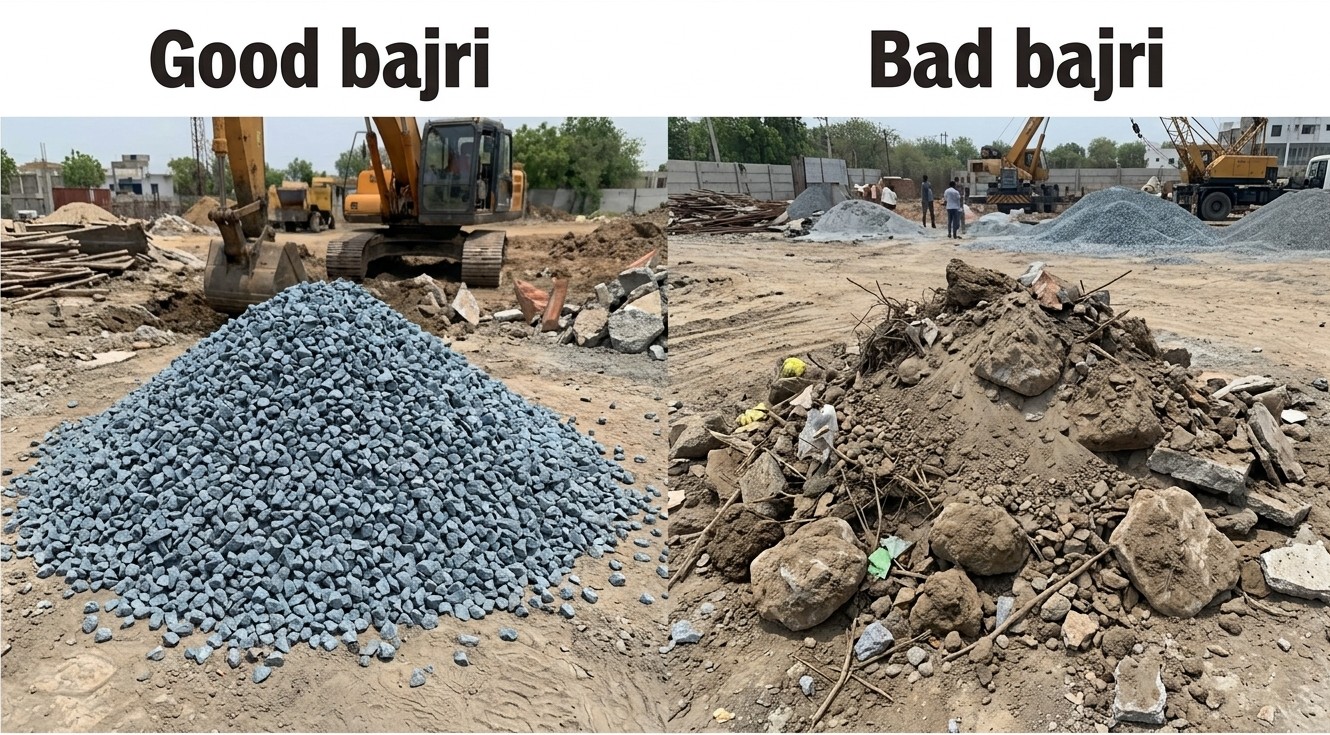
Excess Dust, Silt and Clay: Dust forms a layer of flour around the stones. The cement bonds with the dust and not the stone. Hence, the bond becomes weaker.
Flaky and Elongated Stones: Some of the stones might be flat as a coin or elongated as fingers. Such shapes tend to break under pressure and stack poorly, creating spaces.
Weathered Stone: The stone that has weathered for years might appear good but tends to break.
Honeycombing and Cracking: Honeycombing means holes and spaces that are formed in the hardened concrete. This occurs due to oversized or improperly graded bajri that gets stuck between steel rods.
How to Choose the Right Bajri: Key Factors
Selection of bajri is similar to selecting footwear. The selection depends on your destination. Consider the following eight points before placing an order.
Type of Project and Structural Elements
Size and Grading
Shape and Surface Texture of Particles
Strength and Hardness (Crushing, Impact, and Abrasion Value)
Cleanliness and Silt Content
Water Absorption
Source and Supplier’s Reliability
Budget and Cost of Transportation
Factor | What to check |
Project type | Structural or non-structural |
Size and grading | Slab depth and bar spacing |
Shape and texture | Look at a handful |
Strength and hardness | Lab report |
Cleanliness | Rub test and jar test |
Water absorption | Lab report |
Supplier | Quarry name and reports |
Budget and transport | Delivered price per cft |
Bajri Rates and What Affects Them
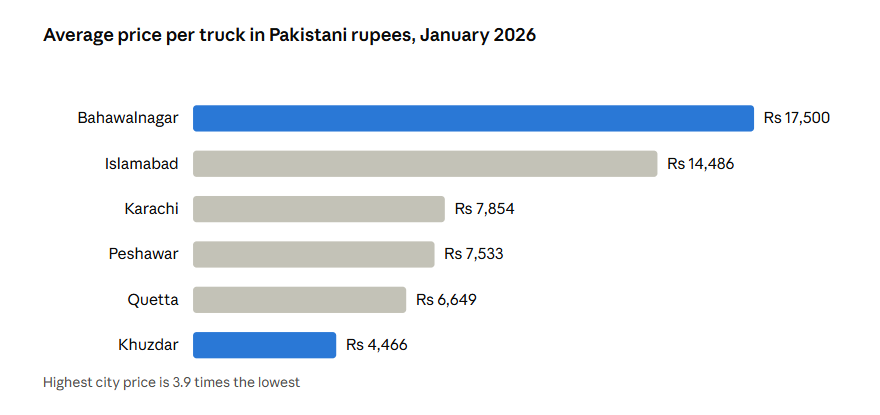
The bajri rate in Pakistan changes a lot from one city to the next. Official Pakistan Bureau of Statistics (PBS) data for January 2026 shows the gap clearly.
Rates also move from month to month, so always get a fresh quote before you order. The current Gharhub bajri category page shows 6 products.
Product | Current Listed Price | Source | Grade |
|---|---|---|---|
Sargodha 3-Sooter 1/2 Down A-Grade Crush | PKR 180 – 185 / cft | Sargodha | A-Grade |
Sargodha 3-Sooter 1/2 Down B-Grade Crush | PKR 175 – 180 / cft | Sargodha | B-Grade |
Margalla 3-Sooter 1/2 Down A-Grade Crush | PKR 200 – 205 / cft | Margalla | A-Grade |
Sargodha 1/2 Full A-Grade Crush | PKR 183 – 188 / cft | Sargodha | A-Grade |
Sargodha 1/2 Full B-Grade Crush | PKR 178 – 183 / cft | Sargodha | B-Grade |
Dina Bajjar Crush | PKR 147 – 152 / cft | Dina | — |
Factors That Influence Price
Distance from the quarry: Bajri is heavy. The farther it travels, the more you pay for trucking.
Fuel prices: Diesel cost about Rs 323 per liter in July 2026. Higher fuel costs mean higher freight.
Truck load limits: Rules that cap how much a truck can carry on highways have pushed up the cost of moving raw materials.
Stone source and quality: Tested stone from well-known quarries usually costs more.
Washing and screening: Extra cleaning and sorting add cost, but they save you from weak concrete.
Order size and vehicle: A full truck often costs less per cubic foot than a small trolley load.
Demand: Busy building seasons and large projects nearby push prices up.
Conclusion
Bajri may be small, but it does a big job. Bajri makes up most of your concrete, bears the weight, economizes cement, and avoids cracks. The right choice of bajri in construction means the difference between a house that stands and one which needs repair.
Use angular, washed crush in all RCC work. Choose the size of the stone in accordance with the thickness of the slab and the distance between the bars. Demand laboratory testing of the crushing value and water absorption of the stones. Use Margalla bajri where the strength of concrete is a concern and Sargodha bajri for strong and durable structures.
Frequently Asked Questions (FAQs)
What is the difference between bajri and sand?
Bajri refers to coarse aggregate with stone sizes greater than 4.75 mm. On the other hand, sand is fine aggregate where the particle size is less than 4.75 mm. Bajri gives strength and volume to the concrete, whereas sand fills the gaps between the stones.
Which size of bajri is the best for a roof slab?
For normal houses' roof slabs, 3/4 inch (20mm) of crushed bajri is best. Use 1/2 inch if your slab is thin or steel rods are closely packed in it.
Margalla bajri vs Sargodha bajri: which one is better?
Both options are excellent; Margalla bajri is used where strong concrete is needed for slabs, beams, and columns. The tough stone with low water absorption is Sargodha bajri.
How much bajri do you need for one cubic meter of concrete?
You need about 0.88 cubic meters (31 cubic feet) of bajri for a 1:2:4 mix and about 0.84 cubic meters (30 cubic feet) for a 1:1.5:3 mix. This uses the common site rule that wet concrete needs 1.54 times its volume in dry material.
Can you use round river bajri in RCC?
Yes, you can use but angular crushed bajri is better option for RCC purpose. Round stones lack the strength to grab hold of the cement paste. Use river bajri for light works only, with approval from your engineer.
What tests can I perform for checking bajri quality at my construction site?
You can check the quality of bajri by performing five tests
Observation Test: Stones must be neat, sharp, and size-consistent.
Rubbing test: Rub a handful of stones. If your hands feel dirty after rubbing, then the bajri requires cleaning.
Jar test: Drop some bajri in water kept in a see-through jar and shake. Clouded water or sedimentation indicates the presence of impurities.
Hammer test: Strike a stone with a hammer. A sound one will ring, while poor-quality stone will crack.
Shape test: Hold a handful of stones in your hand. Flat or long-shaped stones should be rare.
Is it necessary to wash bajri?
Yes, if it is dirty or muddy. Dust and silt prevent the cement from adhering to the stones and absorb the mixing water. Washing ensures that the fine dust does not exceed the ASTM C33 standard. This is much cheaper than weak concrete or additional cement.
Why do bajri prices differ in different cities?
Prices of bajri differ largely due to the distance from the quarry. Bajri is heavy and therefore transporting it is very costly. Fuel prices, local demand, quality of stone, and washing affect it too.